
Memories influence the way we interact with others, make plans for the future, and understand and reflect on our past. And yet, memories are selective and, at times, imprecise. Why do we remember some events vividly, while others fade or change over time? My lab’s research focuses on the cognitive and brain processes that shape what we remember.
We primarily study episodic memory, or memory for specific events. Episodic memories are different from other kinds of memories because they combine details from a single moment in time (as opposed to knowledge accumulated over time), and when these details are retrieved, they often evoke a sense of “reliving” the moment. Building on discoveries in patients with amnesia, previous work has established a special role for the hippocampus in supporting episodic memory. In our research, we use functional MRI to map out how the human hippocampus interacts with the rest of the brain, and how those interactions relate to the characteristics of memory. We’ve shown that the hippocampus couples with distinct cortical networks to support memory for different kinds of details, for instance, the items or people at the center of the event compared to their surrounding context. Recently, we’ve been using non-invasive brain stimulation (TMS) to target brain networks involved in memory, allowing us to ask which network connections are crucial for retrieving memories that are vivid and precise.
Though we are capable of remembering an amazing amount of detail about the past, we often don’t. Instead, we remember just a few key moments. In another line of research, my lab investigates the factors that guide what we store in memory. One major factor is the emotional significance of the event. Emotional memories tend to be remembered more vividly than mundane events, but not all event details benefit from this memory boost. A goal of our research is to understand how emotion acts to enhance, filter, and reshape memories through its impact on the hippocampus and associated memory networks. We have found that arousal biases memory networks to protect the most emotional details while potentially distorting memory for their context. In ongoing work, we are investigating cognitive strategies for revising what we remember about an event, which might be useful for reducing the impact of negative emotional memories. Separately, we are also investigating how memories influence the way that we emotionally react to new scenarios and interpret social interactions.
By establishing the basic mechanisms supporting human memory, our research helps to provide a foundation for revealing what might be going on when our memory systems break down (for instance, in neurodegenerative disorders) and understanding why our memories sometimes seem to work against us (such as anxiety and mood disorders). This work would not be possible without grants from the National Institute of Mental Health, National Science Foundation, and Brain and Behavior Research Foundation.
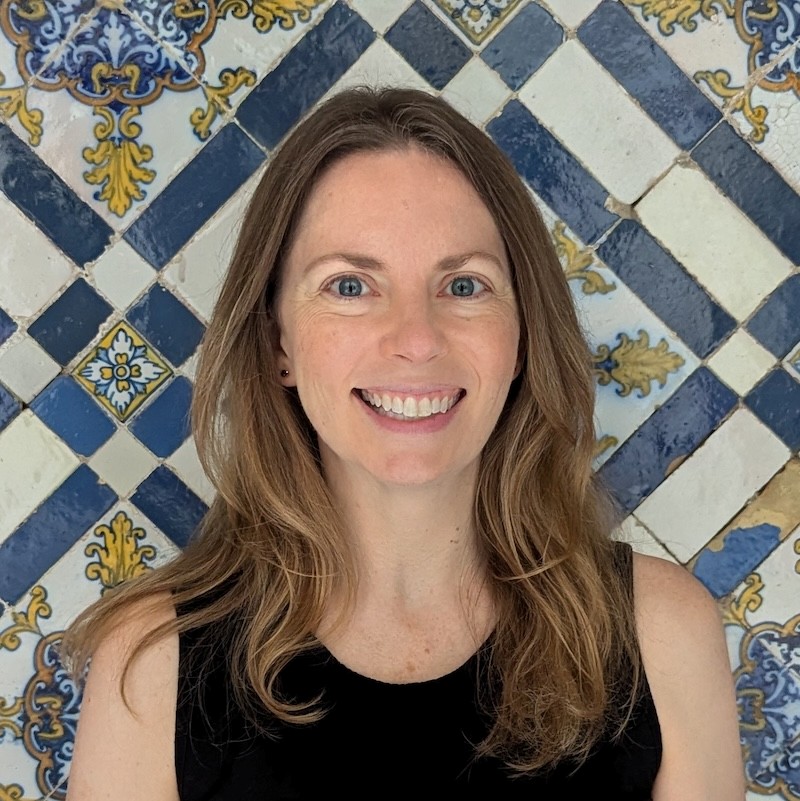
Biography: I grew up in Columbus, Ohio and went to college at the University of Notre Dame, where I majored in math and psychology. I liked working through puzzles in my math classes, but I really fell in love with cognitive neuroscience, which was exploding with new developments in functional neuroimaging at the time. I completed my PhD at the Center for Cognitive Neuroscience at Duke University in 2011, and then spent 5 years as a postdoc at UC Davis. I was on the faculty at Boston College for 10 years before moving to UCLA in 2026. Since being back in California, I’ve been enjoying coastal walks, comedy shows, and sampling an impressive variety of pluots at the farmers markets. To read more about my lab’s research and our current directions, check out our website: http://www.thememolab.org.
Category: Spotlight